


The cold wet climate of the UK means that excess moisture is a common problem across many types of residences, including static caravans, causing damp and condensation, leading to the formation of mould. This can cause a whole range of problems, from mild inconveniences to more serious issues that can affect our health – moulds produce allergens, irritants, and sometimes even toxic substances, which can make us unwell – if left untreated, mould can spread causing structural damage to the static caravan interior, leading to costly or irreparable damage.
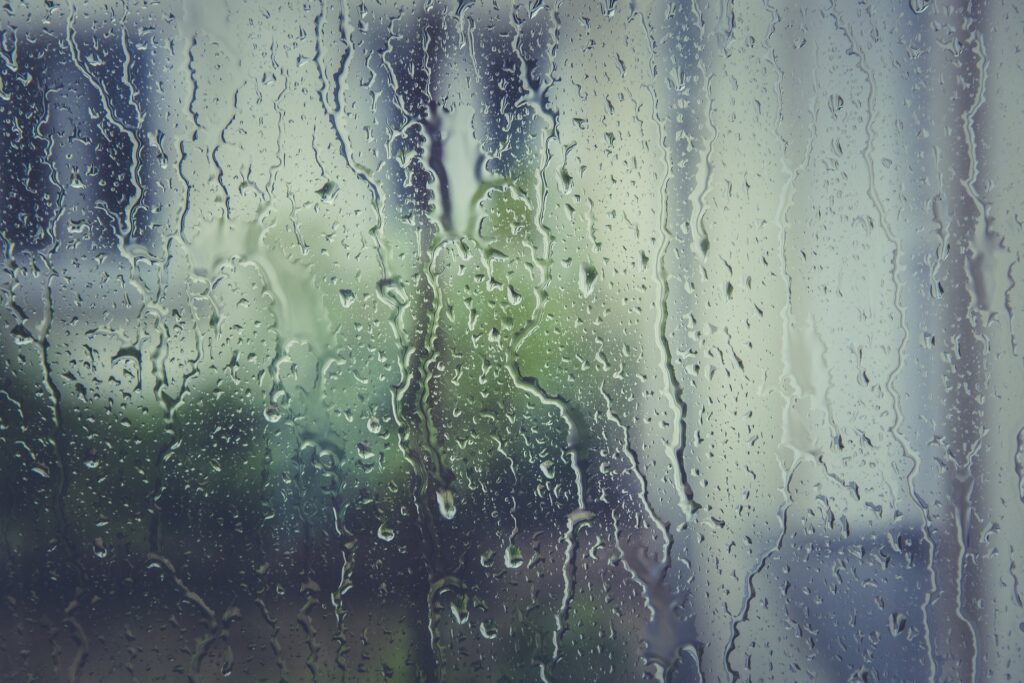
Condensation is caused when warm moist air comes into contact with cold surfaces, such as walls and windows, the water vapour within the air is turned into droplets of water, it collects on the cold surfaces and makes them wet. Condensation typically begins to form on the hard surfaces or around windows and windowsills.
If this happens regularly and is left untreated, the excess water leaves the property damp, allowing mould to grow. Black mould is the most common side effect of condensation, it can destroy soft furnishings, our clothes and bedding, woodwork, walls and even floors. Mould is often difficult to remove, smells unpleasant, permanently stains fabrics and is bad for our health, it is especially unpleasant for those with allergies or asthma.
Condensation is different from penetrating damp, or rising damp – this occurs when moisture penetrates a structure from an external source such as the ground, or a leaking pipe. It is less common in static caravans than condensation.
During the winter months, many static caravans remain unoccupied for several months. It is during this cold, wet period of the year that dampness occurs the most; this coupled with the fact that the static caravan is closed makes the occurrence of condensation more likely. If left untreated, this can turn into mould and damage interiors and soft furnishings, whilst posing a health hazard. There are, however, steps that can be taken to reduce condensation and to avoid it where possible.
This is one of the most effective methods to tackle condensation. Condensation is more likely to occur during the cooler months of the year when windows and doors are shut to keep out the cold, and of course for security reasons when the caravan is left unoccupied. Static caravans, however, are designed with air vents to allow air to circulate. It is important to ensure that all air vents are left uncovered and unobstructed at all times. Before leaving the static caravan, it is a good idea to air the premises by leaving the windows and doors open to allow fresh air to circulate.
Steam from hot showers and from cooking can also leave large amounts of moisture in the air, which will settle on surfaces without ventilation.
When cooking indoors, using lids on the pans can prevent excessive moisture from rising into the air. Windows and doors should also be kept open, if possible, when cooking and extractor fans switched on.
Hot showers produce large amounts of steam and of course, the more the shower is in use, the greater the amount of steam produced, making it important to ensure that the bathroom is always well ventilated, and any extractor fans are switched on.
Avoid drying clothes inside your static caravan where possible. Drying clothes indoors produces dampness.
Dehumidifiers provide a highly effective way of removing excess moisture – they are, however, bulky and expensive to run. A more cost-effective solution – especially when shutting up for winter – is to place salt crystals around caravan to absorb moisture.
Fir View Tan Y Ffridd is a spacious static caravan park located in a vast site in the beautiful Mid Wales countryside. The management team have many years of collective experience on the management of static caravans and offer a range of static caravans for sale. For more information on our services, get in touch today.
 Top
Top